
kate mccardel

kate mccardel

From 2015-2018, I studied Quechua intensively as part of my B.A. in Linguistics. Quechua (endonym: Runa Simi) is a Pre-Columbian language spoken by millions in the Andes. It was the primary language of the Inca Empire.

Quechua has a neat phonological system: three vowels and a voiceless, aspirated, and ejective series of stops. Runa Simi is agglutinating, and word order is basically free. Derivational morphology is very rich.

FLAS (Foreign Language Area Studies) is a national grant program that funds the study of critical languages. I was a FLAS fellow for the 2017-2018 academic year. I was awarded the fellowship again for the summer of 2018, for which I traveled to Cusco, Peru for two months of intensive study.

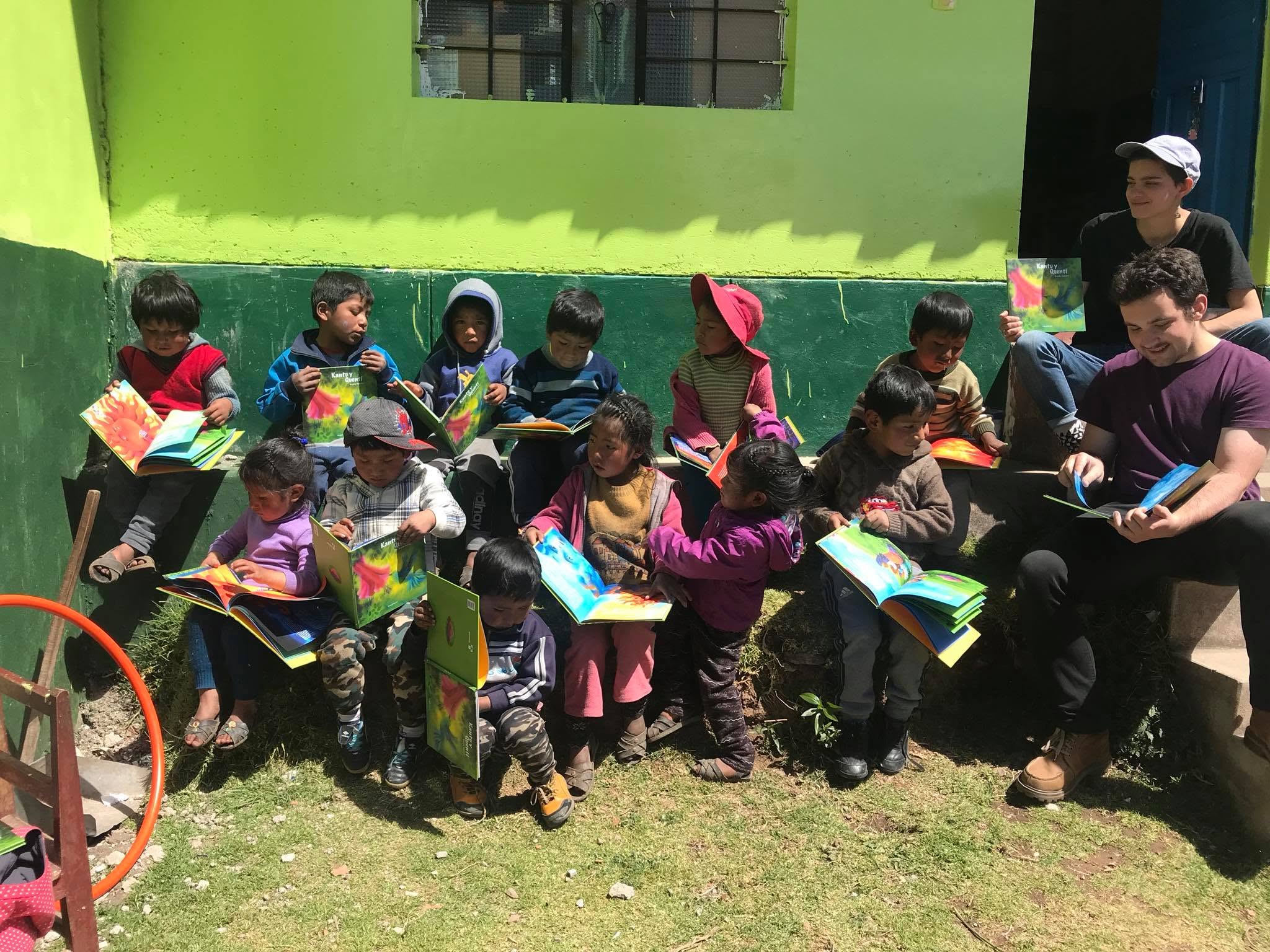
I visited rural communities outside of Cusco to study the cultural practices of the region and practice language skills. We also distributed educational materials to students. See the photo below of a class with Quechua storybooks. Quechua remains largely an oral language in need of further research and active conservation efforts.

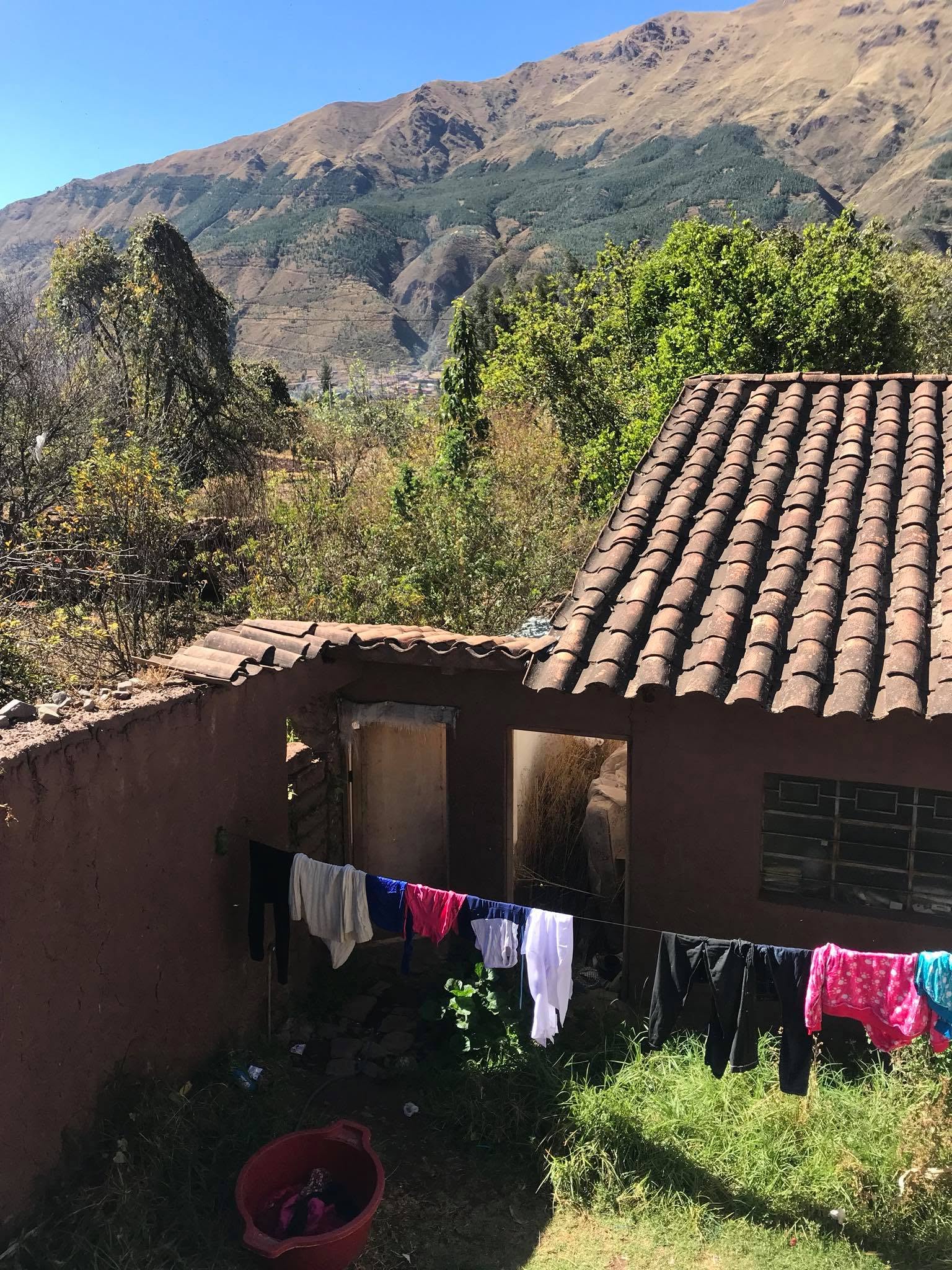
House strung with laundry
Children holding books outside a classroom
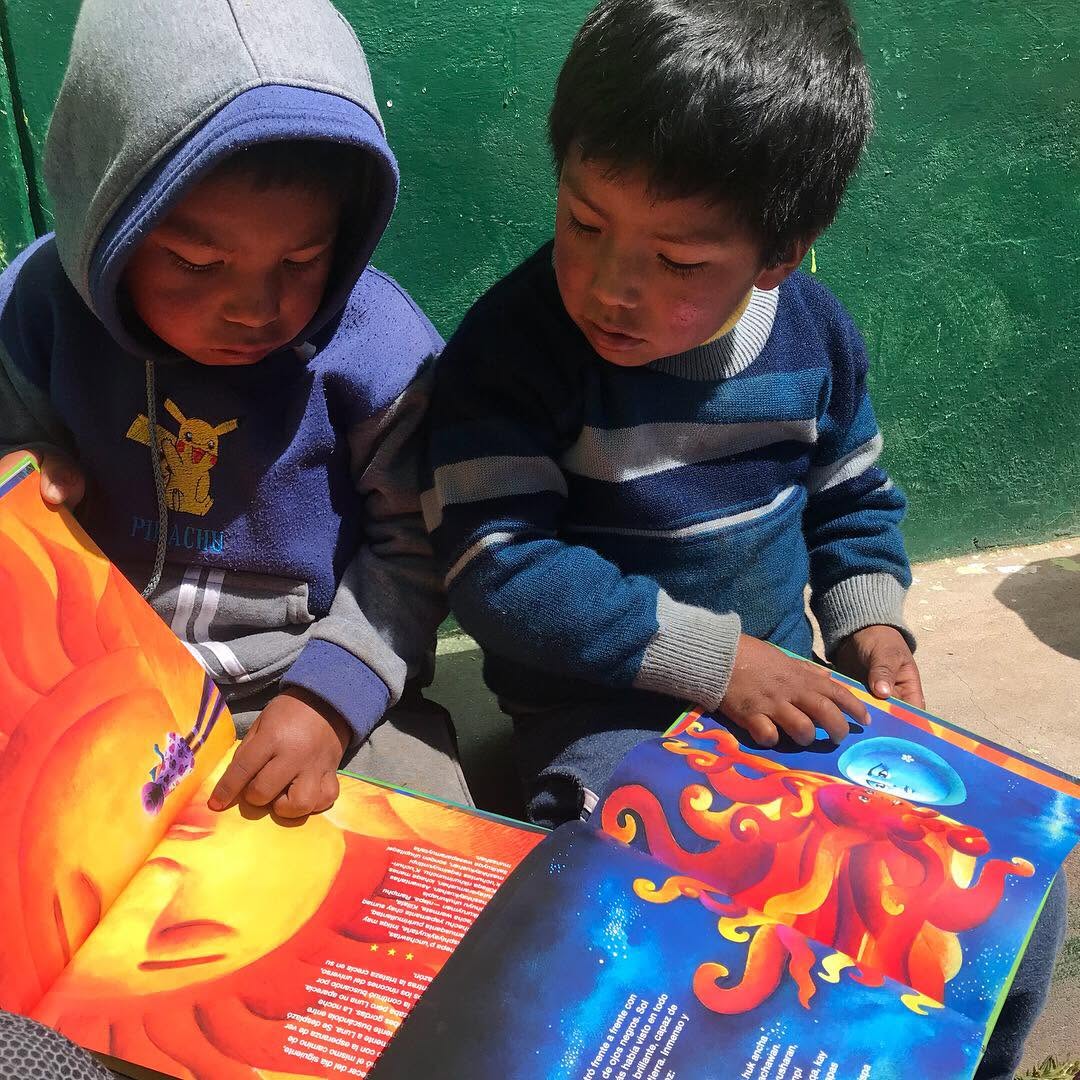
Two children reading
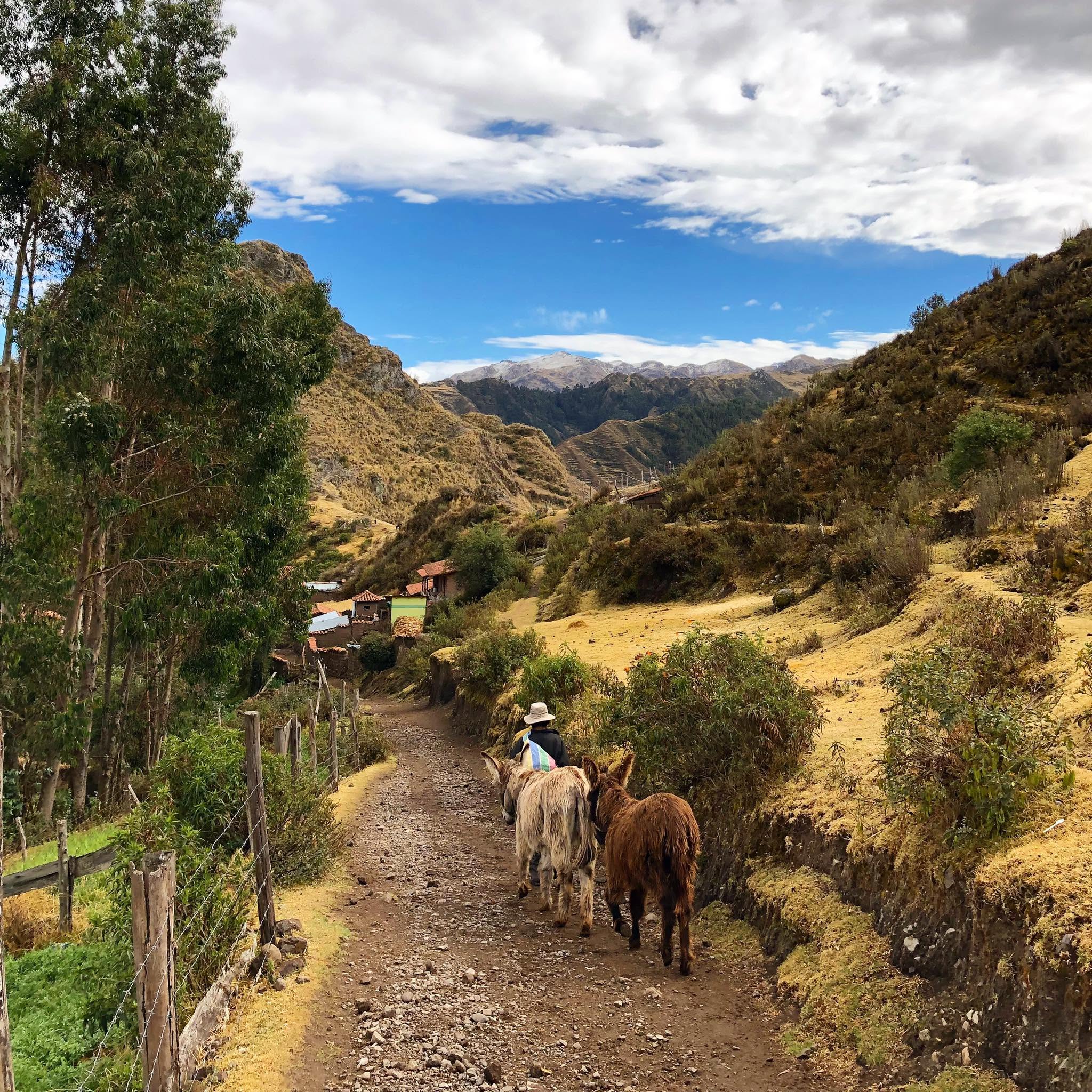
Two donkeys led by a man in a mountain scene
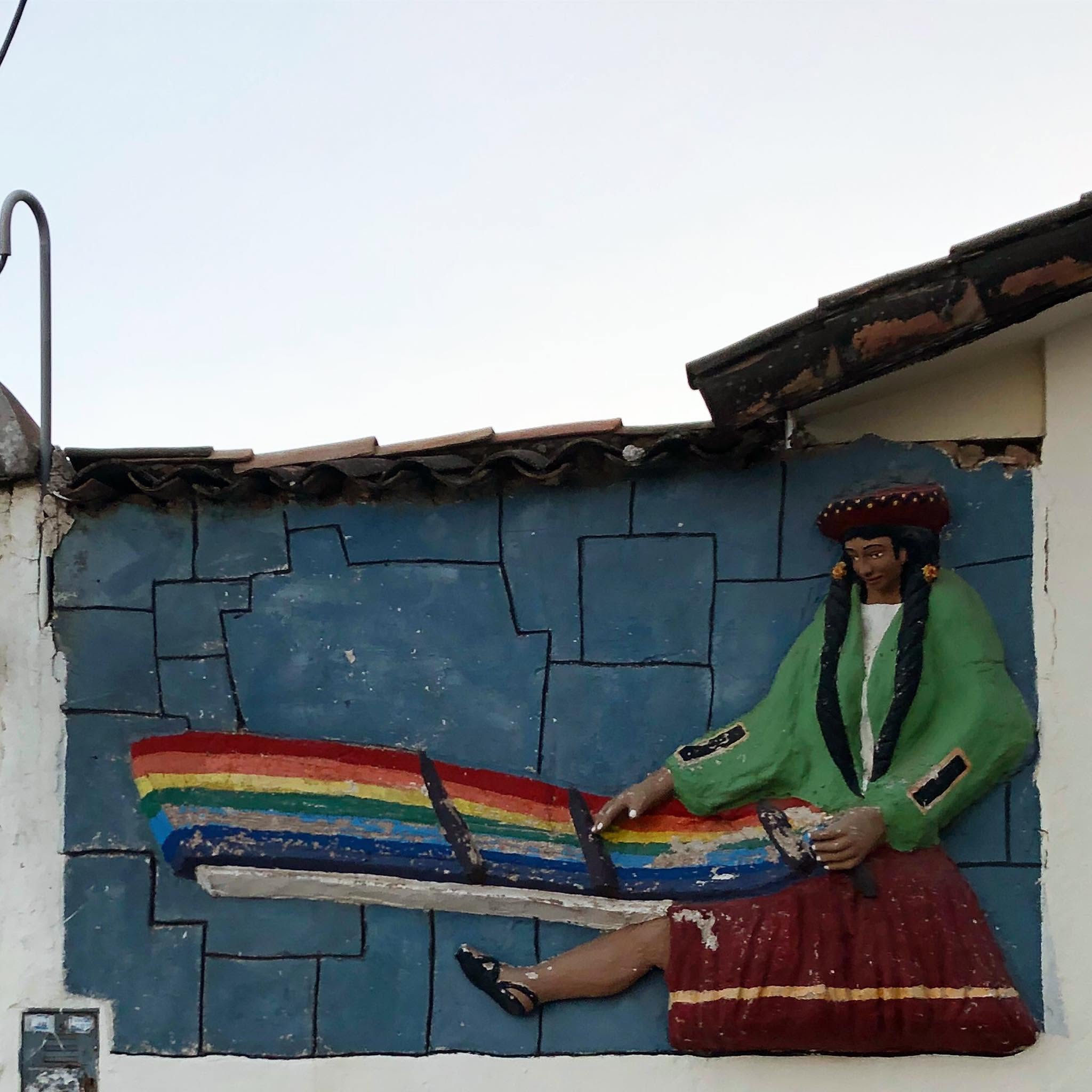
A sculpted facade of a woman weaving a rainbow pattern
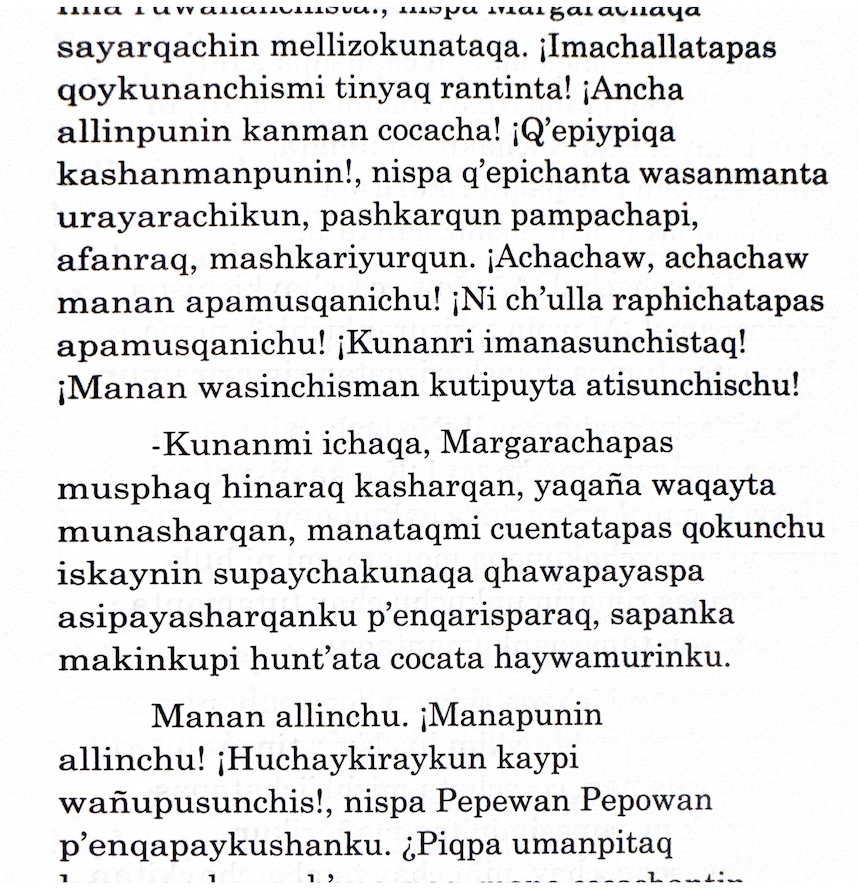
A text in Quechua
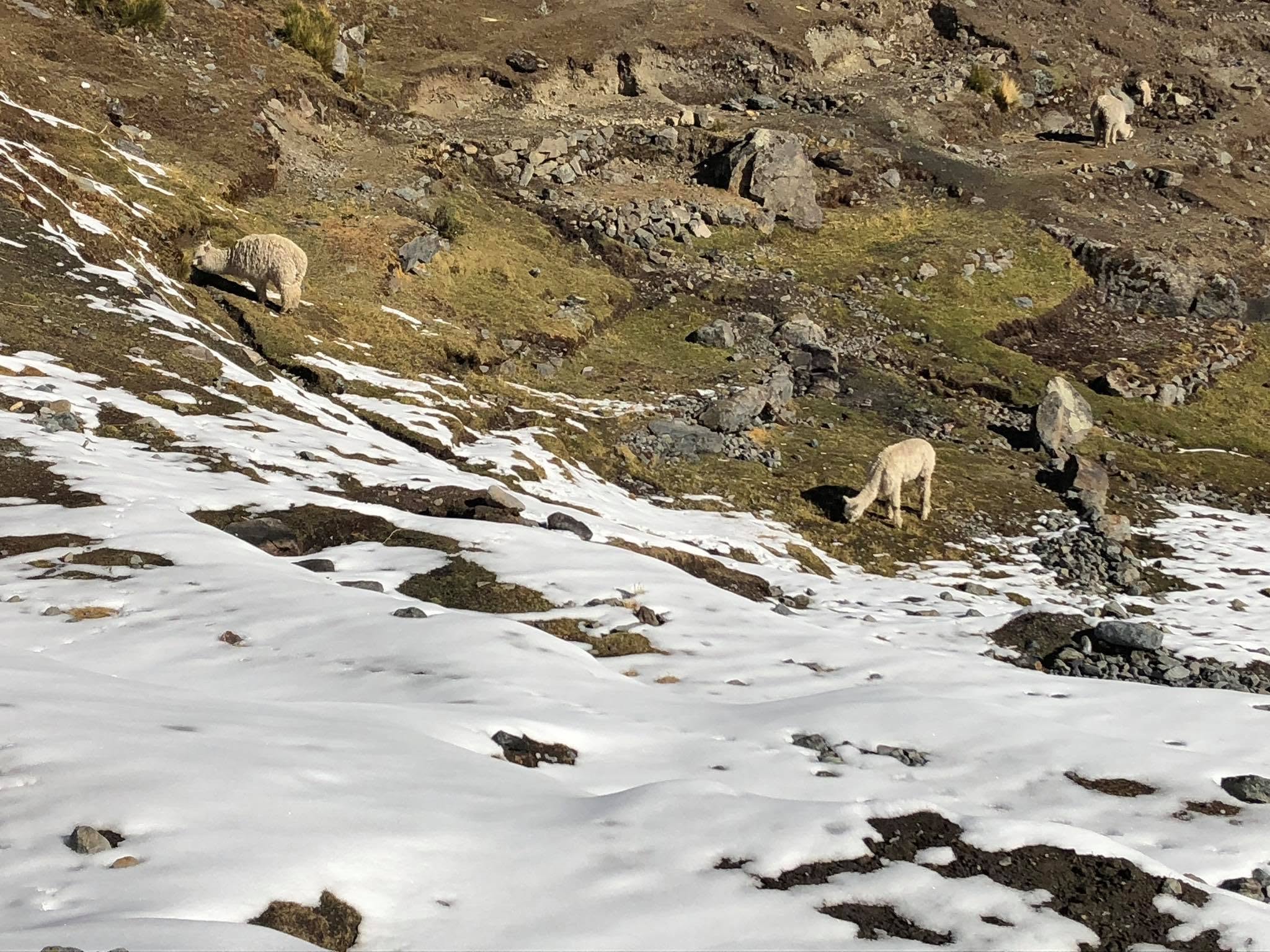
A llama on a snowy mountain face
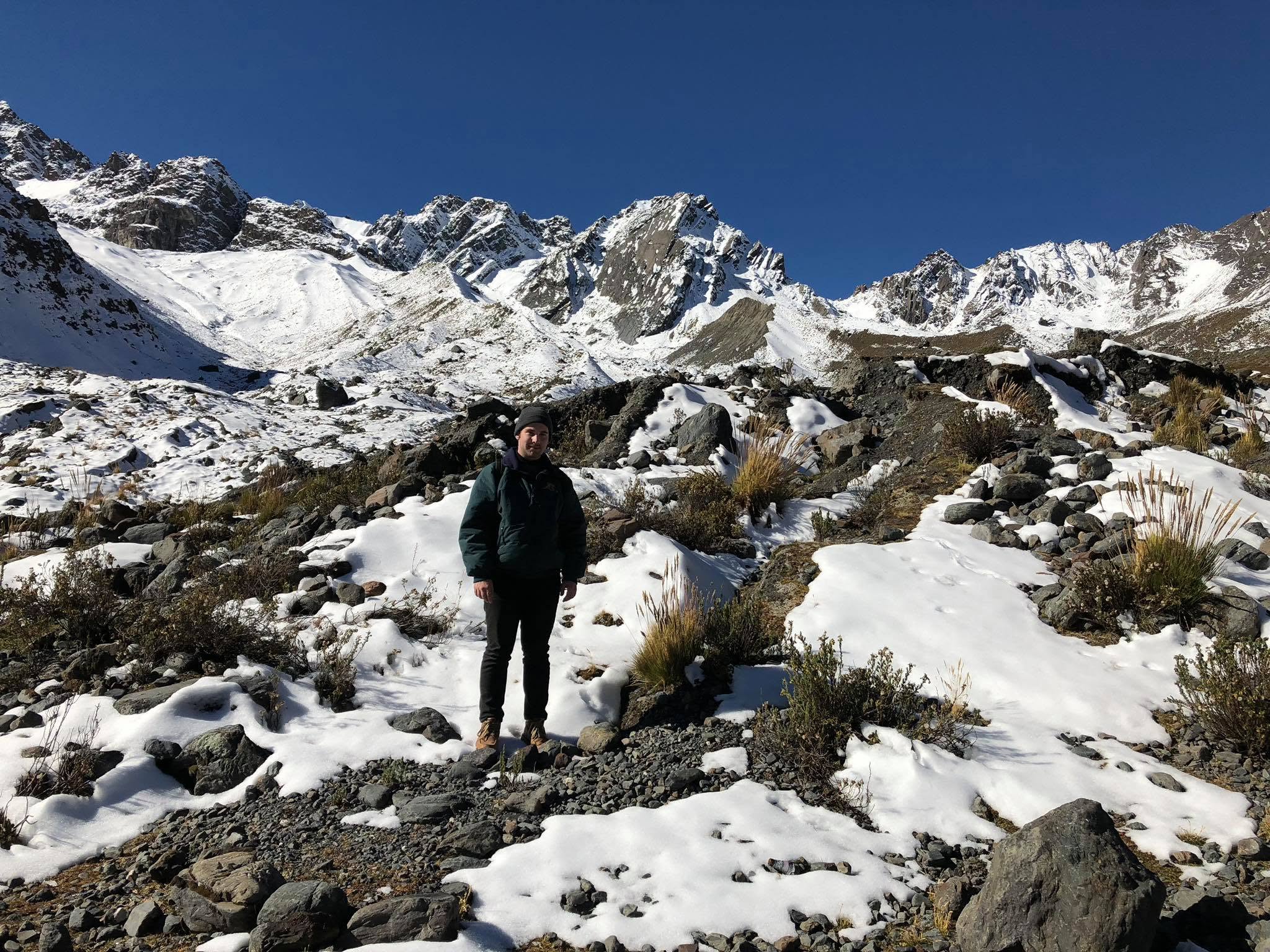
A man in a high altitude environment
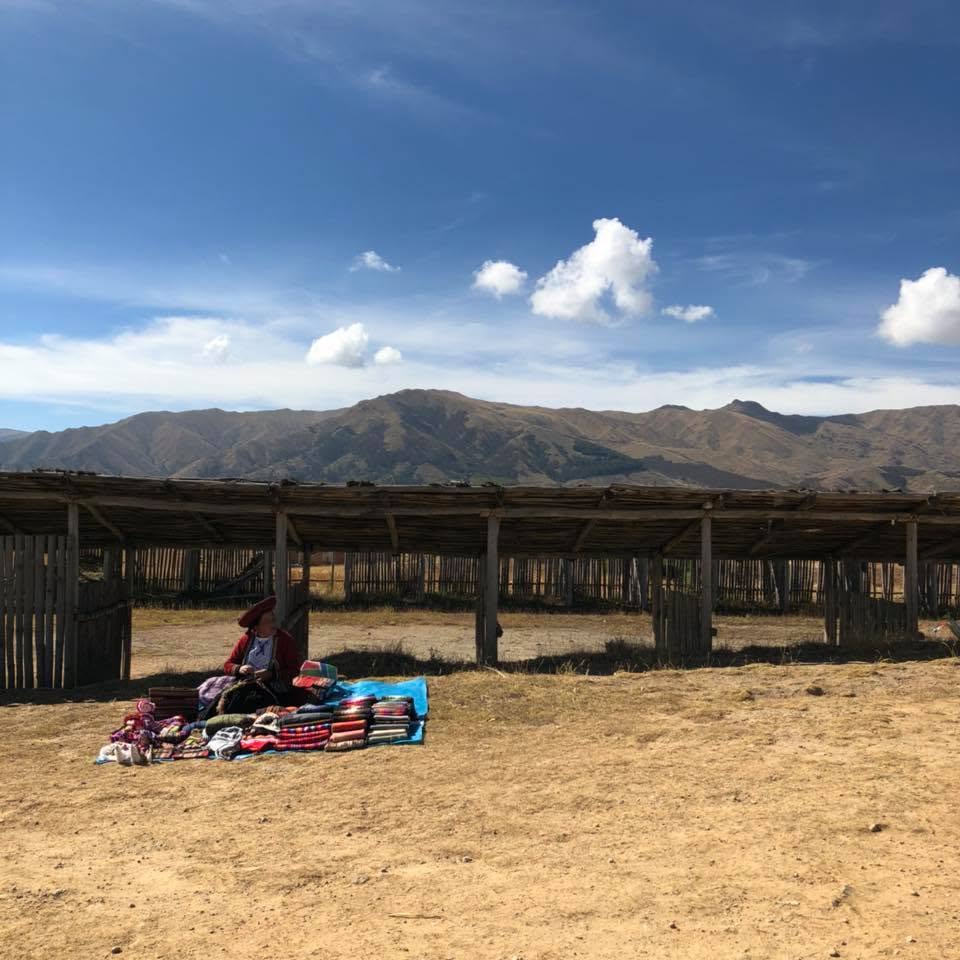
a woman selling her wares in front of a distant mountain range
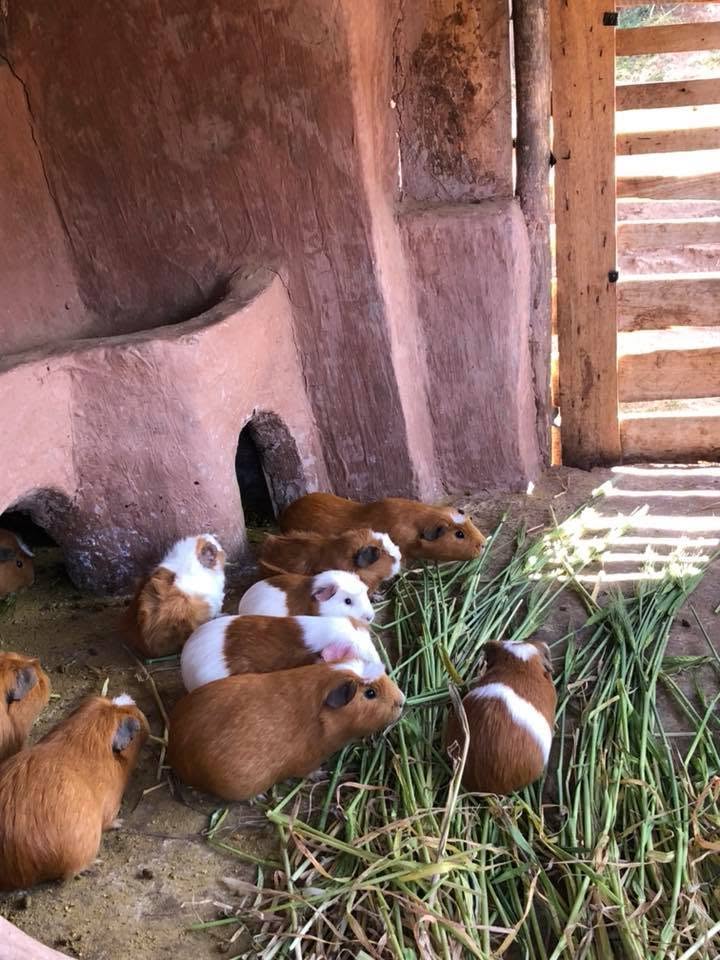
guinea pigs
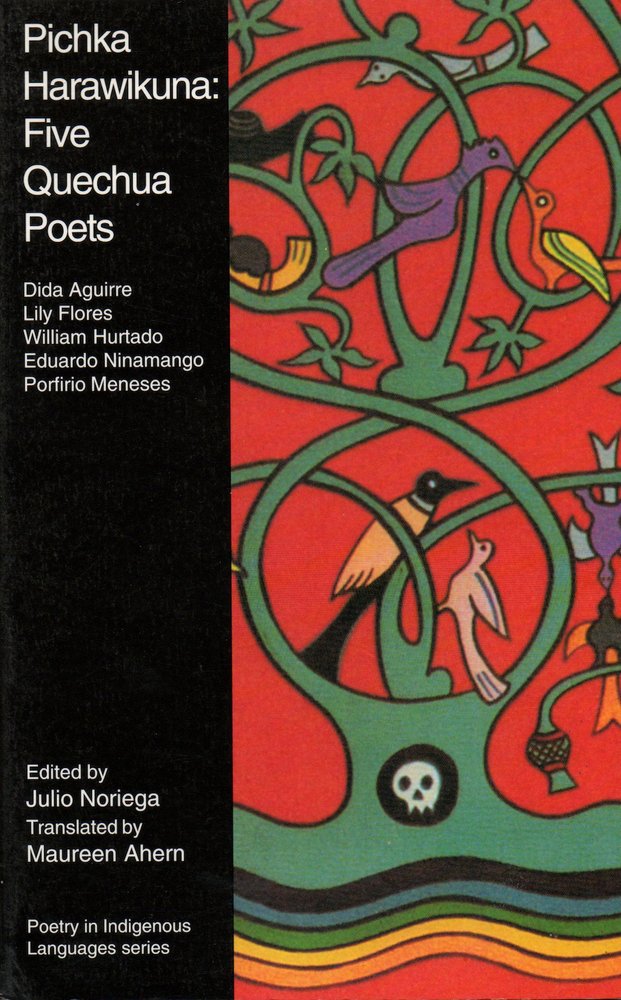
a book cover of a Quechua poetry collection